July 28, 2026

ILIEV Solutions helps you select INTORQ BFK458 electromagnetic spring-applied brakes for tower cranes. Sometimes a single part is all you need instead of the whole assembly — saving up to 200–300%
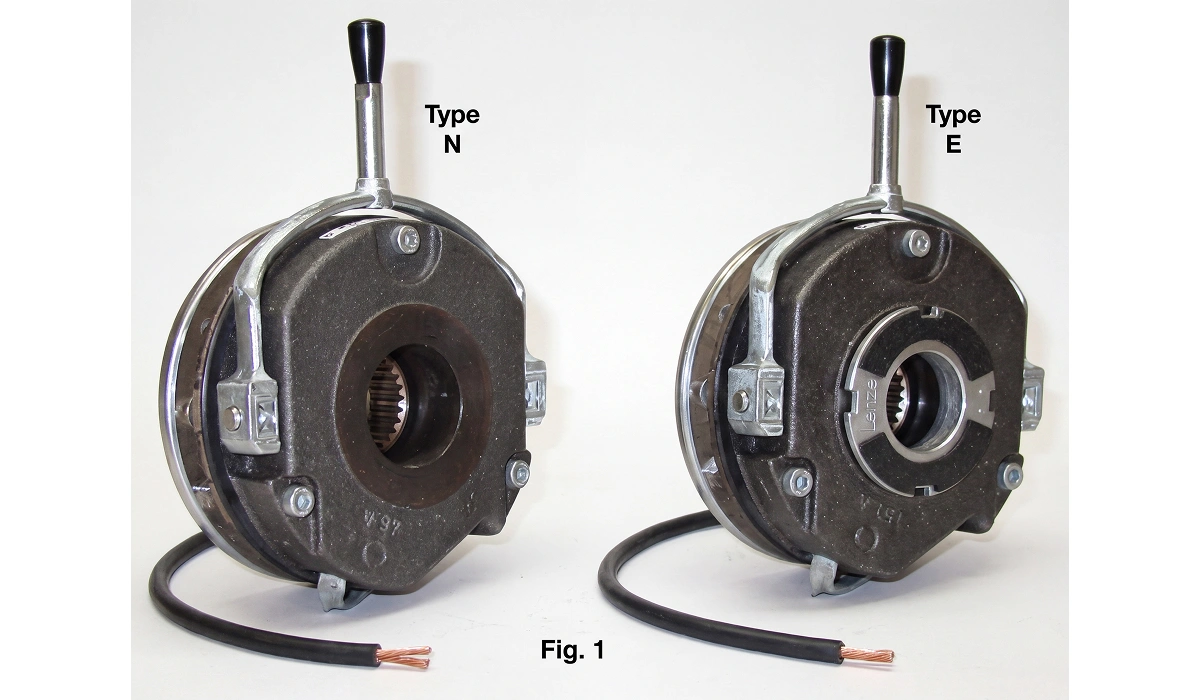
A tower crane is equipment where the braking system is directly responsible for safety at height. The electromagnetic brake on the slewing or hoisting mechanism is one of those components whose failure brings work on the site to an immediate halt. At the same time, on the used construction equipment market — especially for cranes built in the 1980s–1990s (Liebherr, Manitowoc, Krupp, and others) — selecting the right brake often turns out to be difficult: the component manufacturer may differ from the crane manufacturer, the markings on the housing may have worn off, and the original dealer may simply offer to replace the entire unit.
The ILIEV Solutions team specializes in exactly this kind of task — sourcing and selecting original and compatible parts for tower, mobile, and crawler cranes, excavators, and drilling rigs. Below we break down how a typical spring-applied electromagnetic brake is built, and why the right part selection can cut repair costs several times over.
Most of the brakes used on tower cranes — for example, the INTORQ BFK458 series (Kendrion brand, previously produced under the Lenze name) — operate on the principle of a normally-closed brake with electrical release:
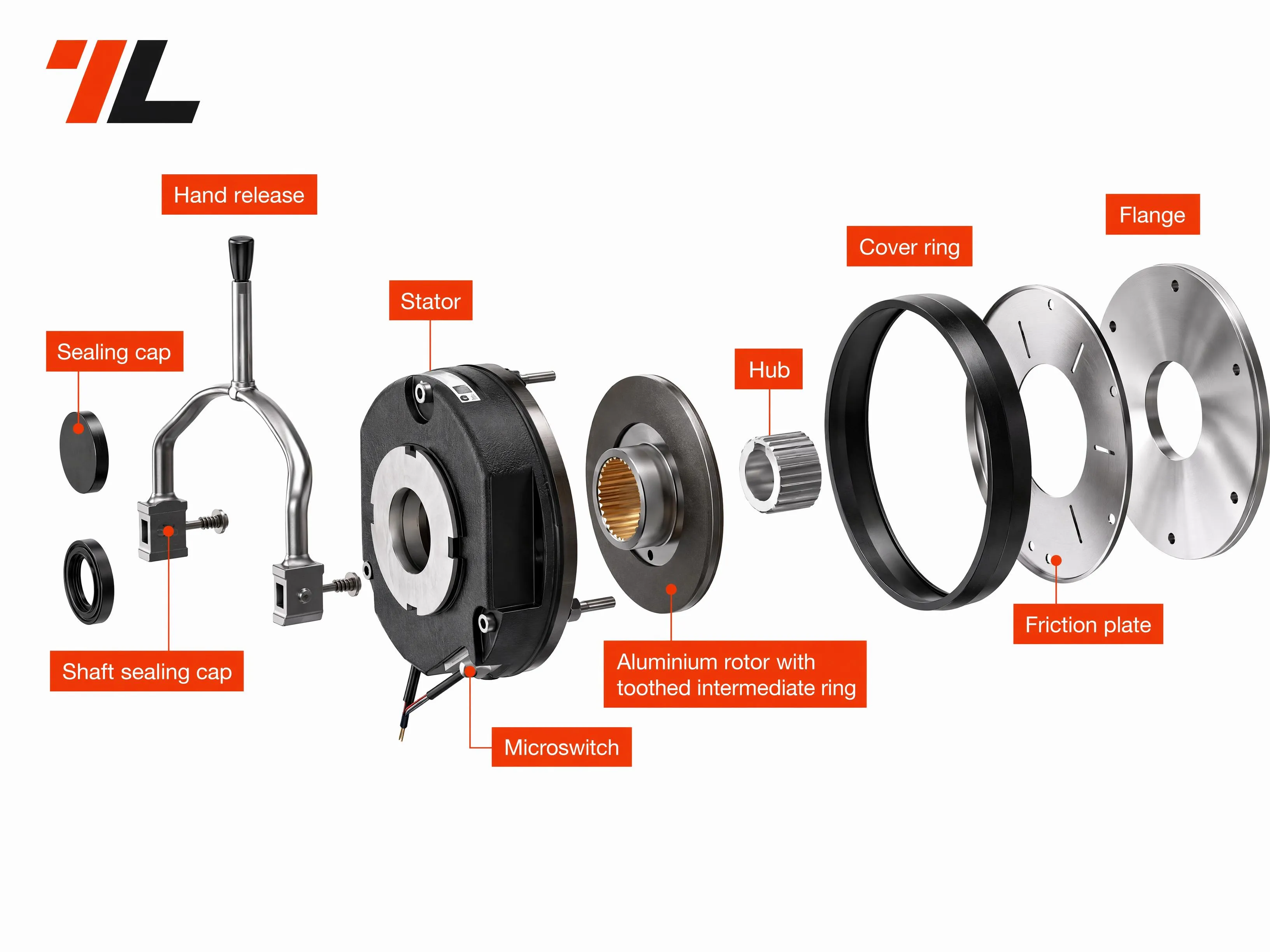
These brakes are produced in nine frame sizes — from small models with a torque of roughly 1.5–6 Nm up to heavy-duty series rated at up to 600–720 Nm, covering practically the entire range of tower and mobile cranes.
The main mistake many equipment owners and procurement staff make is ordering a complete brake assembly when, in reality, only one component has failed. In practice, the parts that most often need replacing are:
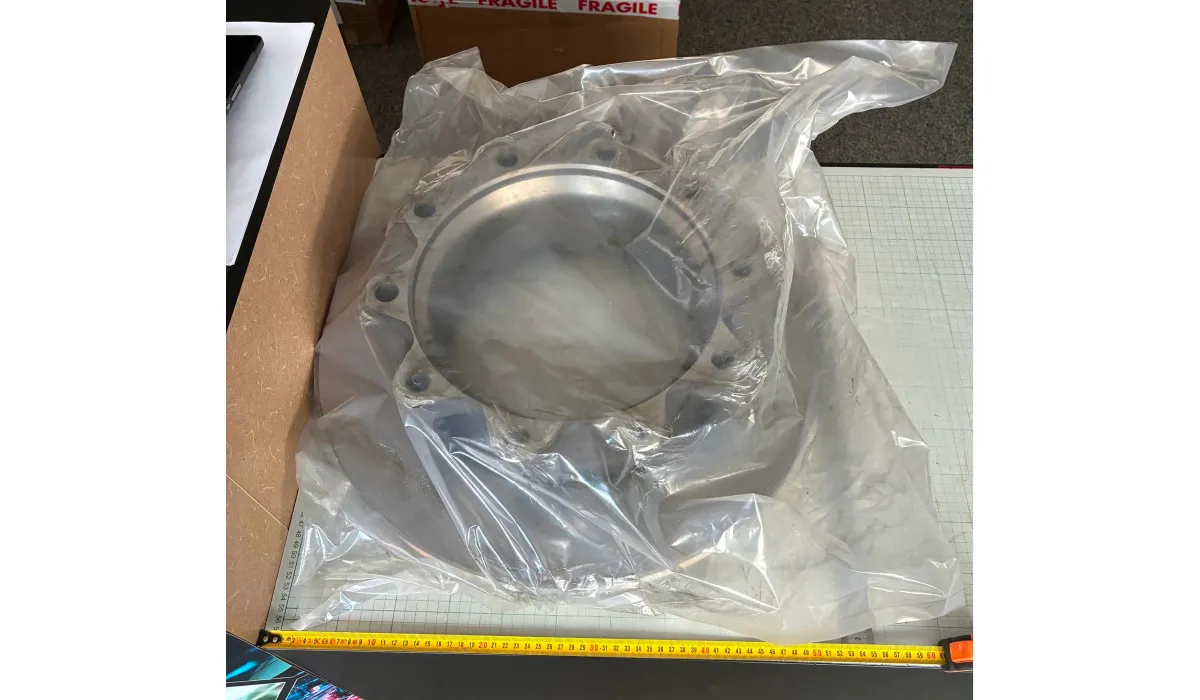
Here's a small list of items you can purchase from ILIEV SOLUTIONS:
Windfree slew:
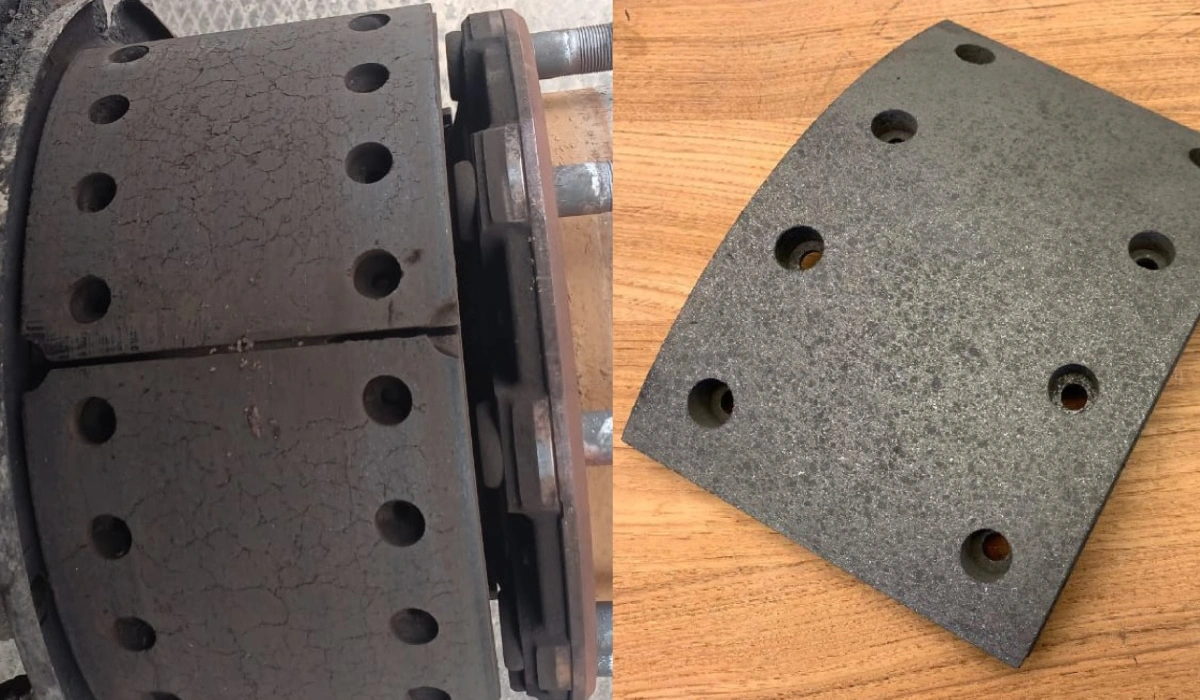
Friction plate:
Rotor:
Hub:
Cover ring:
Flange:
Each of these components is a separate line item with its own part number and its own price, significantly lower than the cost of the complete assembly. In some cases, replacing only the worn part instead of buying an entirely new brake saves 200–300% of the repair cost — meaning the price of a single rotor, hub, or friction plate can be two to three times lower than the price of the complete assembly, which often has to be ordered through an official dealer with a long lead time.
For this approach to work, you need to precisely identify:
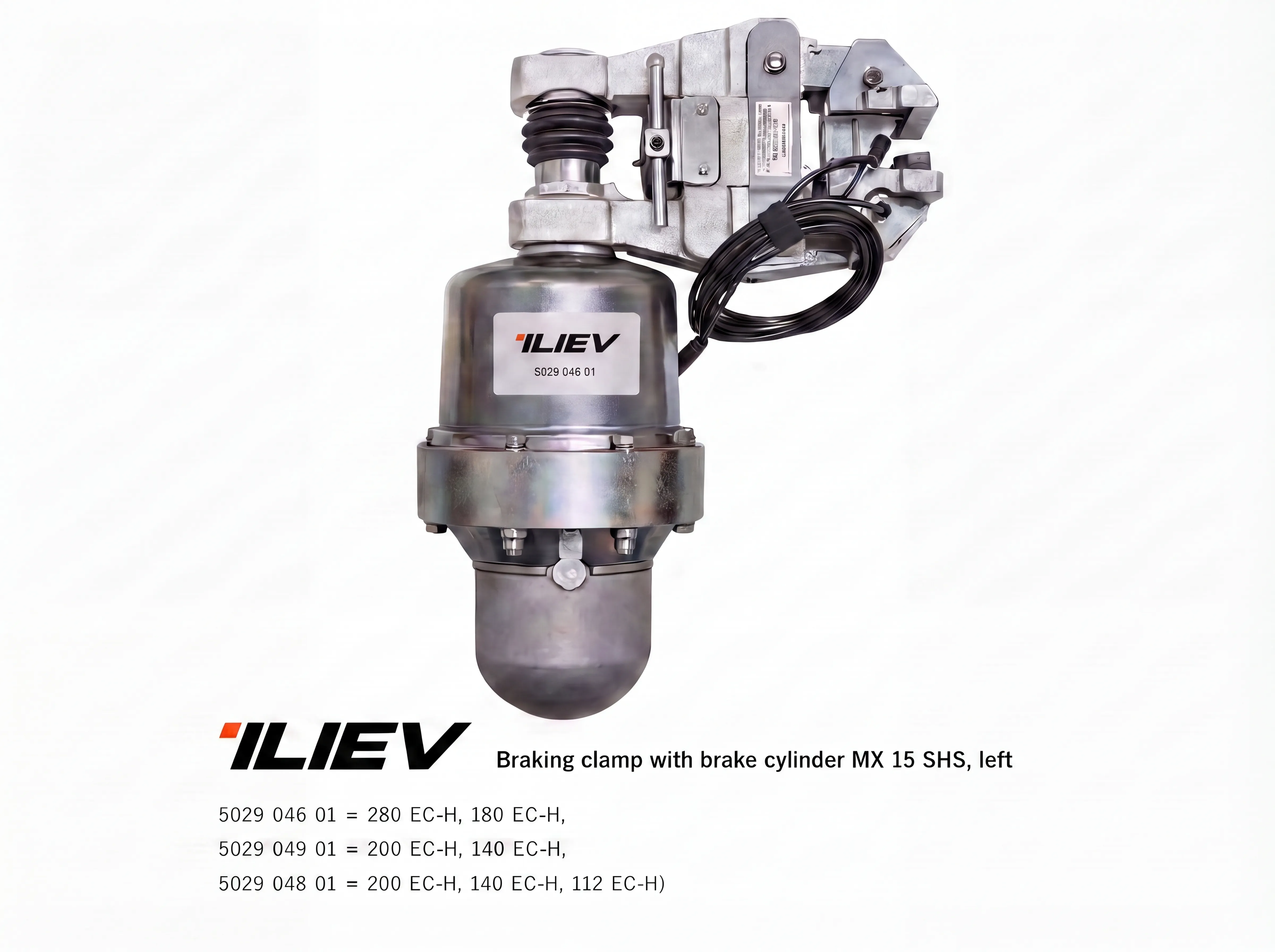
This is a complete brake unit that combines a mechanical clamp (caliper) with an integrated hydraulic actuating cylinder. Structurally, the assembly works on the principle of a normally-closed brake: at rest, springs compress the clamp, locking the winch drum; when hydraulic pressure is applied to the cylinder, the clamp opens, releasing the drum for operation. This design provides the fail-safe function — if hydraulic pressure is lost, the brake automatically re-engages. The left-hand version (L) is mounted on the corresponding side of the drum; a mirrored right-hand version is also available for cranes with brakes fitted on both sides. Depending on the specific original part number, the component fits various models in the EC-H series — from the 112 to the 280 EC-H.
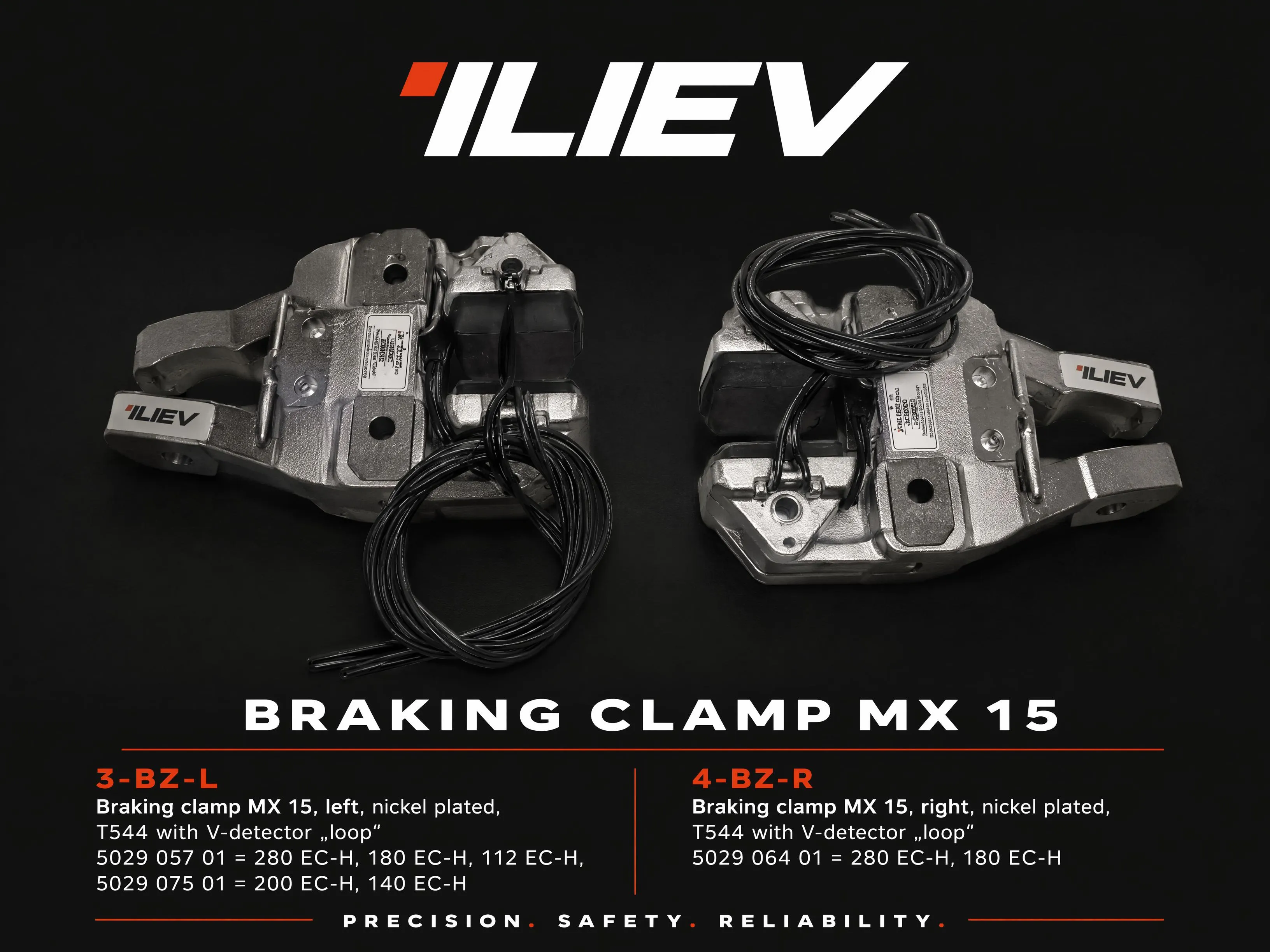
Unlike the previous position, this one covers the clamp body itself — without the integrated hydraulic cylinder, which in this case is ordered separately. The nickel plating protects the clamp from corrosion, which is particularly important for a crane operating year-round outdoors. The assembly comes fitted with T544-type friction linings featuring a built-in V-detector "loop" wear sensor: a signal wire embedded inside the lining that breaks as the friction material wears down, triggering a signal that replacement is needed once the wear limit is reached — before the brake loses its holding capacity. Supplied as a pair — left- and right-hand versions — for cranes with brakes fitted on both sides of the drum.
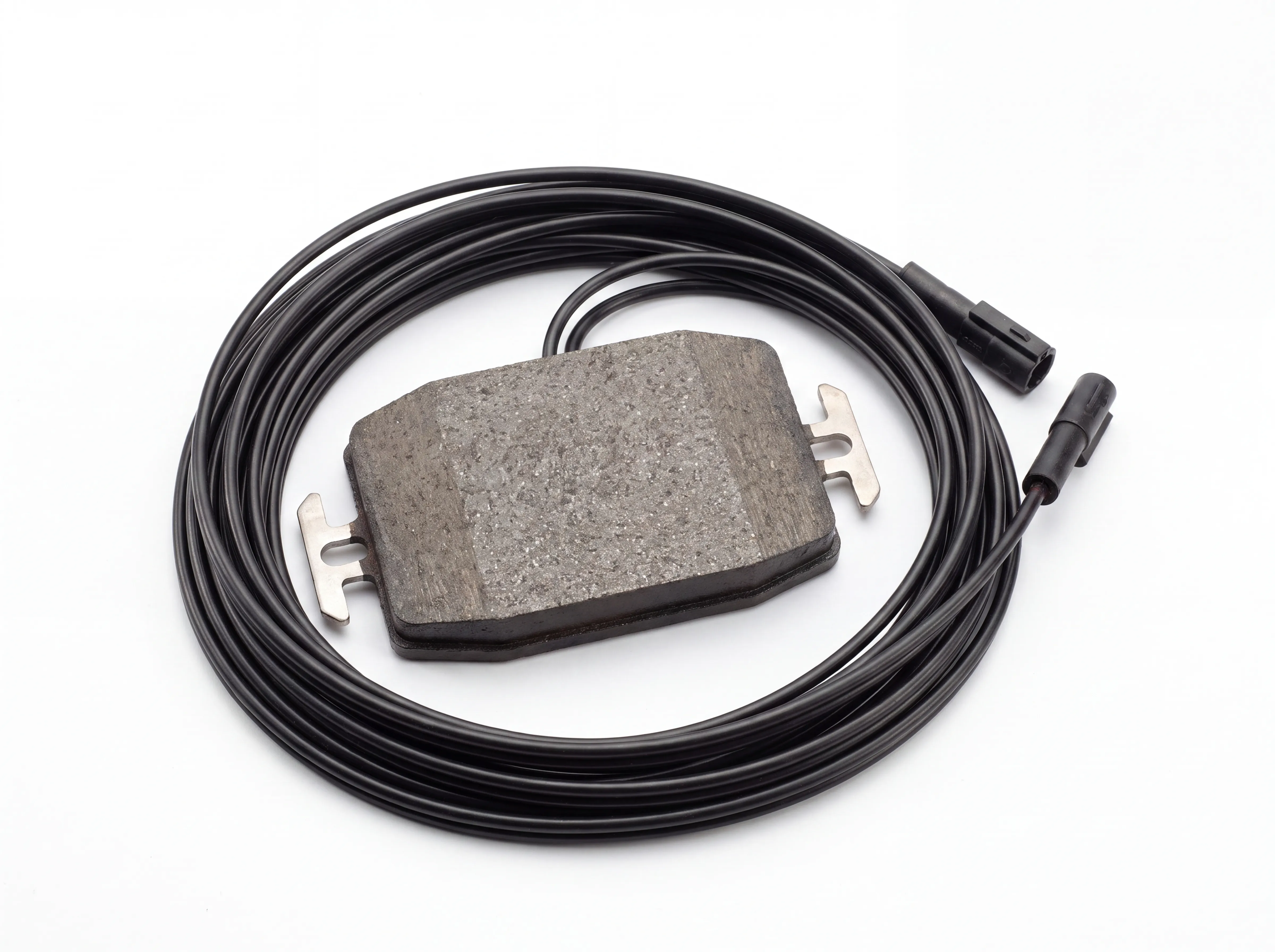
This is the wear part of the braking clamp — the friction lining itself, fitted with the same built-in "loop" wear sensor. Since the lining is what actually wears down in normal crane operation, it typically needs to be replaced periodically, without dismounting or replacing the entire clamp. The part is unified across the whole MX brake range on EC-H models — from the 112 to the 280 EC-H.
This is exactly the stage where precise identification makes all the difference — an error in a single parameter results in an incompatible part being purchased. You can read more about how we help avoid these mistakes in our section on tower crane parts selection.
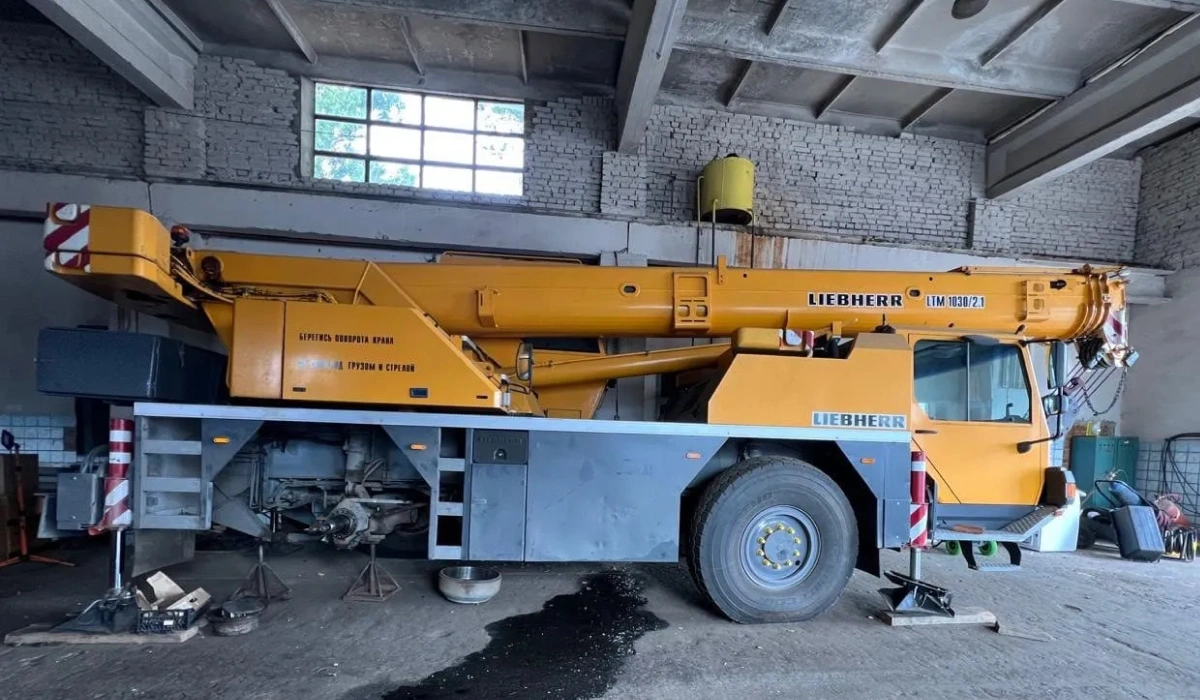
ILIEV Solutions operates as a sourcing broker without our own warehouse, which gives us flexibility in the search: we are not tied to a single supplier or brand, and we select the optimal option — from the original manufacturer to trusted parts dealers — for cranes made by Liebherr, Bauer, Manitowoc, Caterpillar, Krupp, and Tecniwell.
What we do when we receive a request to source a tower crane brake:
You can find more on this and our other crane-related services in our Tower Crane Solutions section and on our services page. For mobile and crawler crane hoisting mechanisms, we offer a separate line of service — truck crane parts.
The electromagnetic brake on a tower crane is an assembly that requires precise selection — but far from always a full replacement. Careful diagnosis and a solid understanding of the modular structure of series like the INTORQ BFK458 make it possible to buy only the part you actually need and significantly reduce your maintenance budget.
If you need to source a brake, rotor, hub, or any other tower crane component — contact ILIEV Solutions: we'll find the part that fits, and help you save wherever possible.
.svg)